E-mail: sales@pd-ie.com



Imagine this: you’re preparing a cup of morning coffee, pouring tap water into your electric kettle, only to notice tiny sediments floating in the water. Or you’re washing fresh vegetables, and the water from the faucet leaves a strange aftertaste. These frustrating moments often boil down to one key factor: the performance of your electric strainer. But what many people don’t realize is that behind every drop of clean water lies a thoughtful design—one that directly determines how well the strainer filters, lasts, and fits into your life.
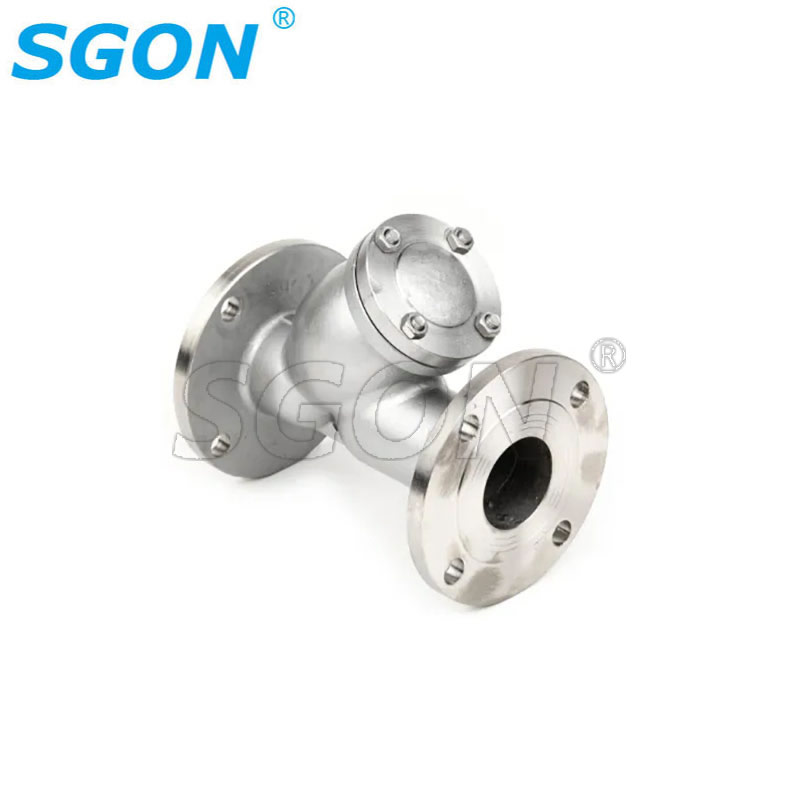
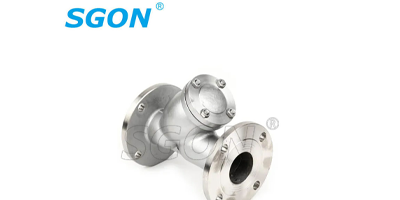
DIN Standard DN65 PN16 Y-Type Flange Strainer
The filter element is the "heart" of an electric strainer, and its design is the first line of defense against impurities. Two key design factors here are material selection and structural precision, both of which have a profound impact on filtration efficiency and safety.
When it comes to materials, cheap plastic filters may seem cost-effective at first, but they often leach harmful chemicals into the water over time, especially when in contact with hot water. In contrast, high-quality electric strainers adopt food-grade 316 stainless steel or medical-grade PP cotton as filter materials. These materials not only avoid secondary pollution but also have strong corrosion resistance—able to withstand the erosion of residual chlorine and heavy metals in tap water for a long time. For example, the 316 stainless steel filter element of the XYZ Electric Strainer has a smooth surface that prevents impurities from adhering, reducing the risk of bacterial growth compared to traditional porous filters.
Structural design is equally crucial. A filter element with a "folded pleat" structure, for instance, has a filtration area 3-5 times larger than a flat filter element of the same size. This means it can intercept more sediment, rust, and colloids without clogging quickly. Some high-end models even integrate a "gradient filtration" design: the outer layer uses a larger pore size to block large particles, while the inner layer uses a 0.1-micron ultra-fine filter to trap tiny impurities like microplastics. This layered design not only improves filtration efficiency but also extends the service life of the filter element—saving you the trouble of frequent replacements.
Have you ever used an electric strainer that filters water so slowly that you end up waiting 5 minutes just for a pot of cooking water? Or one that has strong water flow but fails to filter out impurities effectively? This contradiction arises from the design of the water flow path.
An excellent electric strainer will optimize the water flow path to achieve a balance between "fast flow" and "thorough filtration." The key lies in the turbulence guide structure inside the strainer. Instead of letting water flow straight through the filter element, the guide plate divides the water into multiple small streams, forcing it to pass through the filter material in a spiral manner. This design increases the contact time between water and the filter element, ensuring that even tiny impurities are intercepted. At the same time, the streamlined path reduces water resistance—so the XYZ Electric Strainer can maintain a water flow rate of 2.5L/min, which is fast enough to fill a 1.5L kettle in just 36 seconds, without compromising filtration quality.
Another often-overlooked design detail is the pressure balance valve. When the filter element is slightly clogged, the water pressure inside the strainer will increase, which may cause water leakage or damage the machine. A built-in pressure balance valve can automatically adjust the water pressure, ensuring stable water flow even when the filter element is approaching its service life. This not only improves the reliability of the product but also avoids the waste of water resources caused by unstable water flow.
Unlike traditional manual strainers, electric strainers rely on a power system to enhance filtration efficiency, and its design directly affects energy consumption and user experience. The core of the power system is the mute motor and intelligent control module.
A well-designed mute motor uses brushless DC technology, which not only has a longer service life (up to 10,000 hours) than traditional brushed motors but also operates at a noise level of less than 35 decibels—quieter than the sound of a whisper. This means you can use the strainer while making breakfast or working at home without being disturbed by annoying buzzing sounds. In terms of energy consumption, the intelligent power-saving design allows the motor to automatically enter standby mode when there is no water flow for 30 seconds, consuming only 0.5 kWh per month—almost negligible compared to other household appliances.
Intelligent control design further elevates the user experience. Many modern electric strainers are equipped with a filter element life reminder—a small LED light on the body that turns red when the filter element needs to be replaced. Some high-end models even connect to a mobile app, sending real-time reminders and allowing you to purchase replacement filter elements with one click. There’s also the automatic flushing function: the strainer flushes the filter element with high-pressure water every 72 hours, washing away accumulated impurities and extending the filter element’s service life by 30%. These designs eliminate the need for users to manually check and maintain the strainer, making clean water a hassle-free part of daily life.
A good electric strainer should not only perform well but also fit seamlessly into your kitchen. This requires careful design in terms of structural sealing and size optimization.
Structural sealing is critical to preventing water leakage. Poorly sealed strainers may leak water from the connection between the body and the faucet, damaging the kitchen countertop over time. High-quality models use a "double-layer silicone seal" design at the connection—two layers of food-grade silicone gaskets that tightly fit the faucet, preventing water leakage even under high water pressure. The body is also made of integrated injection-molded ABS material, which has no seams and further reduces the risk of water leakage.
In terms of size, the trend is toward "compact and portable" design. Many electric strainers on the market have a diameter of only 8 cm and a height of 12 cm—small enough to fit in the gap between the faucet and the sink, without taking up valuable countertop space. Some models even adopt a "rotatable body" design, allowing you to adjust the direction of the water outlet according to the position of the sink, avoiding splashing water and making it easier to use.
The performance of an electric strainer is never an accident—it’s the result of countless design details working together. From the filter element material that ensures water safety to the intelligent control that simplifies maintenance, from the water flow path that balances speed and filtration to the compact design that fits into small kitchens, every design choice is centered on the user’s actual needs.
When you choose an electric strainer, you’re not just buying a household appliance—you’re investing in the health of your family. So the next time you’re shopping for an electric strainer, don’t just look at the price or brand; pay attention to these design details. After all, it’s the thoughtful design that turns a simple strainer into a reliable guardian of your daily water quality.
GET A QUOTE