E-mail: sales@pd-ie.com



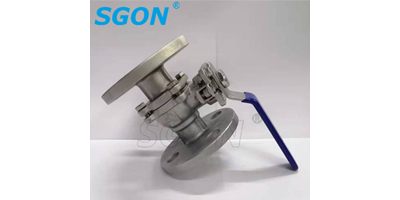
If you're a buyer or factory operator tired of unplanned downtime, annoying leaks, and flanged ball valves failing long before their expected lifespan, then I have some practical advice for you. Based on years of practical experience in industrial valve maintenance, I can tell you that efficient maintenance doesn't mean taking the valve apart every time. The key is targeted maintenance tailored to actual operating conditions.
Almost all major flanged ball valve failures begin with small, easily overlooked problems. I learned this the hard way early in my career. A simple gasket leak, costing less than $20 to repair, ultimately led to an 8-hour shutdown of a customer's entire production line. For efficient maintenance, simply take 2 minutes each day to perform these quick checks – it's absolutely worth it.
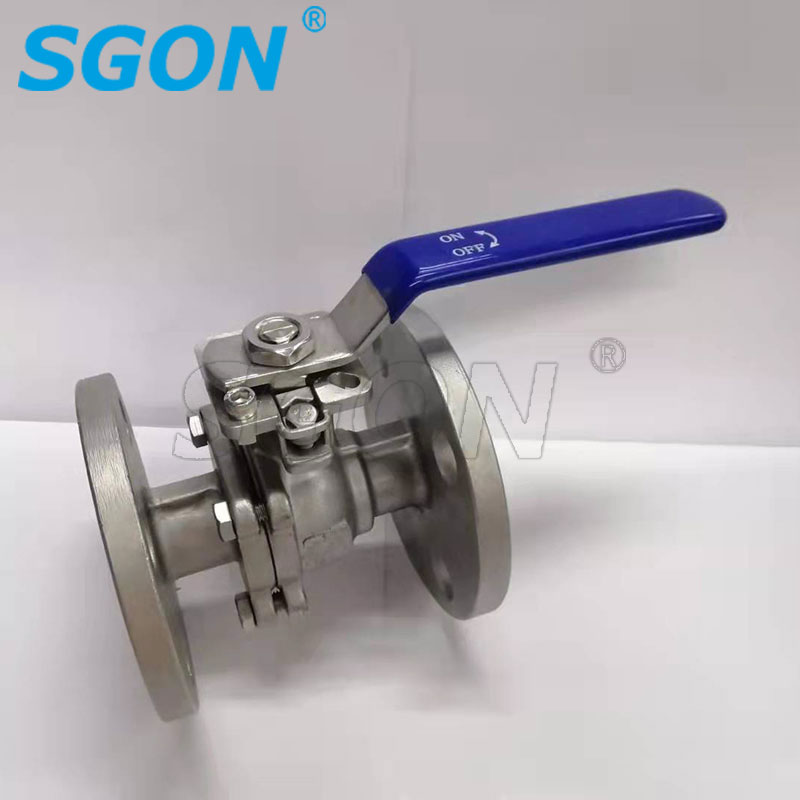
Pay close attention to the flange connections, noting even the smallest leaks. Those little drips you might be tempted to ignore? They will eventually turn into big problems. If necessary, use a torque wrench to evenly retighten the bolts according to SGON's field maintenance guidelines.
Test the valve's opening and closing operation. Manual valves should turn smoothly without sticking or jamming. For electric or pneumatic valves, ensure the actuator responds promptly – sluggish movement or strange, unidentifiable noises are dangerous warning signs that should not be ignored.
Check the valve body for corrosion, especially for valves operating in harsh environments such as chemical plants or seawater systems.
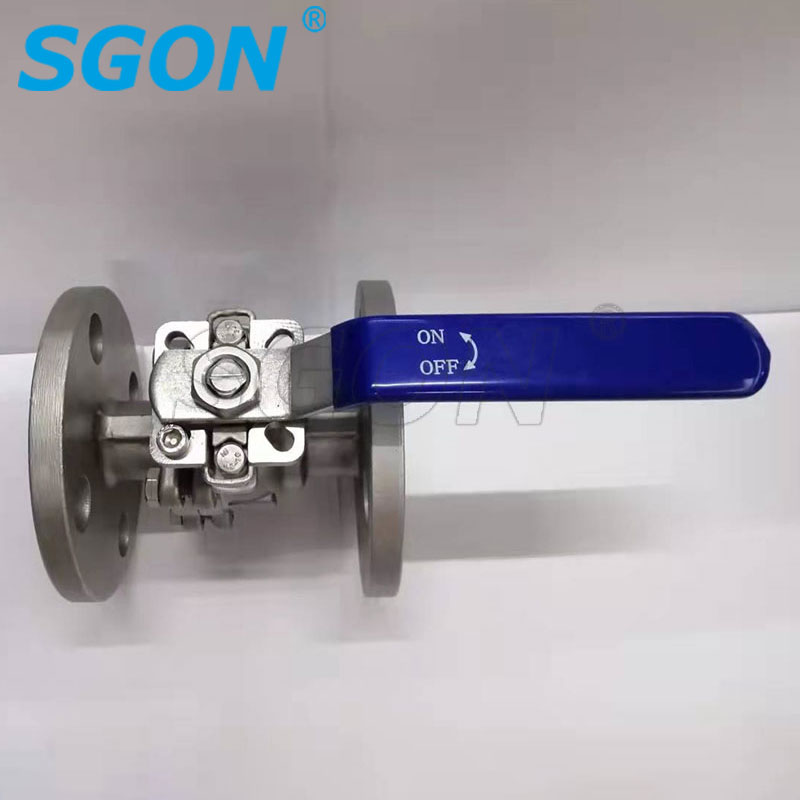
First, let's be clear – lubrication isn't just about slapping on some grease. Many teams make the mistake of using lubricants that aren't suitable for their operating conditions. Our comparative testing last year proved this: valves lubricated with SGON's custom-blended lubricant lasted twice as long as those using standard grease.
Here are the key steps you shouldn't overlook:
The valve seat and gaskets are the most important components of a flanged ball valve. If their maintenance is neglected, they will quickly wear out, leading to internal or external leaks and resulting in production downtime. These practical steps comply with SGON's API 6D certified quality standards, so you can use them with confidence.
Inspect all seals every 6 months. Check for signs of wear, hardening, or cracking. When replacement is needed, be sure to use genuine SGON replacement parts. Generic seals rarely fit perfectly, and you will almost always encounter frustrating leakage problems.
If you are using a soft-seated flanged ball valve with PTFE seats, do not operate it continuously at extreme temperatures above 180℃. Is your operating environment at high temperatures? SGON offers customized hard-seated models that can withstand temperatures up to 600℃, completely solving this problem.
SGON's Secret to Zero Downtime
Effective maintenance is not a one-size-fits-all solution—and that's where SGON's customized service shines. Every customer has unique operating conditions: different pressure levels, temperatures, media types, and cycle frequencies. Therefore, we provide all SGON customers with a tailored maintenance plan, completely free of charge, and customized to your specific usage scenario.
Ultimately, effective flanged ball valve maintenance boils down to three core elements: quick daily checks, targeted lubrication and cleaning, and personalized maintenance. With SGON's API 6D certified flanged ball valves, genuine spare parts, and on-site maintenance support, you can eliminate guesswork and focus on ensuring your operations run smoothly.
Don't wait until a catastrophic failure occurs. Perform the checks we mentioned earlier on your valves today. If you are looking for reliable flanged ball valves or need customized maintenance solutions for your equipment, please visit SGON's product page today: [https://www.pd-ie.com/flanged-ball-valve].
GET A QUOTE